

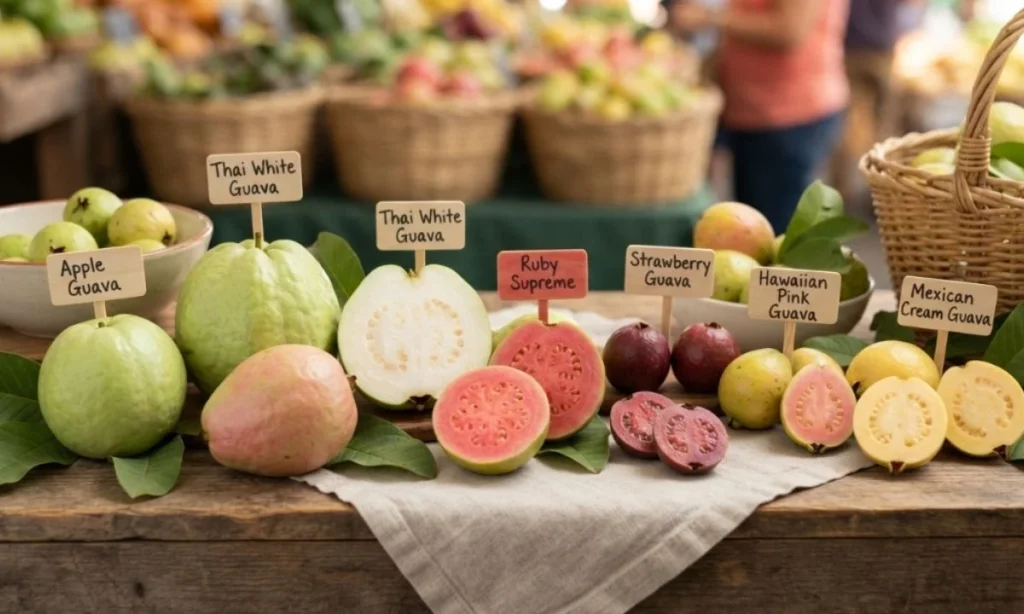
Guava is a tropical fruit that has gained popularity worldwide for its unique flavor, impressive nutritional profile, and versatility in culinary applications. With dozens of varieties available globally, understanding the differences between guava types can help you choose the right fruit for your taste preferences and culinary needs. This comprehensive guide explores 21 distinct guava varieties, complete with descriptions of their appearance, flavor profiles, and best uses.
How to Eat Seeded and Seedless Guava Fruit
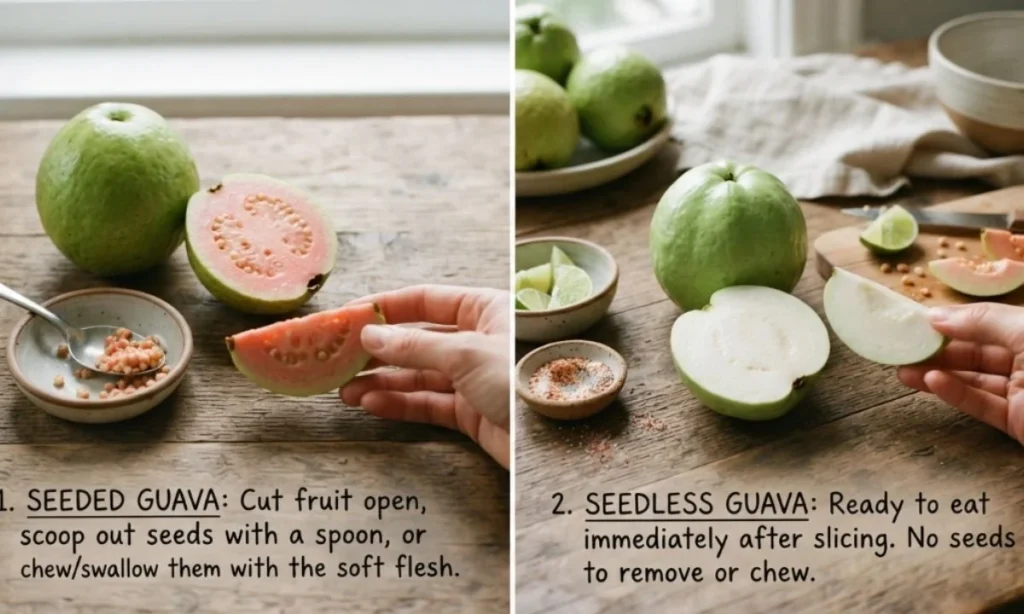
Before exploring individual guava varieties, it is helpful to understand the key difference in how seeded and seedless guavas are consumed. The type you choose determines the best eating method and preparation technique.
Seeded guavas contain numerous small, hard seeds within the central pulp. These seeds are edible and provide a pleasant crunch, but some people prefer to remove them. For seeded varieties, slicing the fruit lengthwise and scooping out the seeds with a spoon allows you to enjoy the flesh without the texture of the seeds. Alternatively, seeded guavas can be blended and strained to create smooth juices and purees.
Seedless guavas have been selectively bred to reduce or eliminate seed content. These varieties can be eaten whole like an apple, diced for fruit salads, or blended smoothly without the need for straining. Seedless guavas are particularly popular for fresh eating and smoothie preparation because they require no seed removal.
Seed and Seedless Guava Fruit Types
Guava varieties are broadly categorized based on their seed characteristics. Understanding these categories helps in selecting the right variety for specific uses.
Seedless Guava Varieties
Seedless guava types have been developed through selective breeding to minimize seed production. These fruits are ideal for fresh eating and juicing because they eliminate the need to remove seeds during preparation.
Tropical White is a seedless variety prized for its honey-sweet flavor and versatility in culinary applications. The fruits have light yellow skin with a pink blush and offer a smooth texture that works exceptionally well in juices, pies, and jellies.
PG 01 and PG 02 are seedless genotypes identified in Bangladesh research that demonstrate no seeds and higher pulp percentages than seeded varieties.
Click Here To Read More:
Low-Seed Guava Varieties
These guava types contain significantly fewer seeds than traditional wild varieties, striking a balance between natural characteristics and improved eating quality.
Thai White Guava was selectively bred for crisp texture and low seed hardness, gaining popularity across Southeast Asia as a fresh snack fruit. The fruits are large, often reaching 300 grams, with mild sweetness and a crunchy texture that makes them popular for eating out of hand.
Shweta is a variety developed from the Apple Colour half-sib population that produces fruits with few soft seeds. The fruits are medium and globose, weighing approximately 225 grams, with creamy white epicarp and snow-white pulp.
Types of Guava Fruits and Pictures
Guava varieties differ significantly in terms of origin, breeding history, and growing conditions. Each type offers unique physical characteristics and flavor profiles.
Apple Guava
Apple guava (Psidium guajava) is the most widely cultivated and recognized guava variety globally. Originating in tropical America and later spreading to Asia and Florida, this variety gained popularity due to its round shape and balanced sweetness. Farmers prefer it for fresh markets because it ripens evenly and stores well.
The fruits are medium-sized, weighing between 180 and 250 grams, with light green skin that transitions to yellow as it ripens. The flesh can be white or pale pink, containing many small hard seeds. Apple guava offers a mildly sweet flavor with light acidity, with a firm texture that softens when fully ripe. Each 100-gram serving provides approximately 68 calories.
Strawberry Guava
Strawberry guava (Psidium cattleianum), also known as Cattley guava, originated in coastal Brazil and later spread to Hawaii and other tropical regions. This variety has gained popularity in home gardens and hedges due to its compact growth habit and attractive appearance.
The fruits are smaller than common guava, weighing between 40 and 60 grams, with thin red or deep purple skin. The flesh contains many small seeds and offers a sweet flavor with distinct strawberry notes. The texture is juicy and soft, making it ideal for fresh eating and preserving. This variety is considerably more frost-resistant than the common guava, making it suitable for subtropical regions.
Lemon Guava
Lemon guava (Psidium cattleianum var. lucidum) is a selected strain of strawberry guava that gained attention for its citrus scent and attractive yellow skin. The fruits weigh approximately 50 grams and feature yellow flesh with a sweet, lemon-like aroma. The texture is soft and juicy, making it suitable for fresh eating and flavoring applications.
Pineapple Guava
Pineapple guava (Acca sellowiana) is an unrelated species native to South America, later cultivated in California. This variety is known more for its aroma than its sweetness, with fruits that are oval-shaped and weigh approximately 120 grams.
The flesh is creamy white with few soft seeds, offering a mild sweet flavor with tropical notes. The center has a gel-like texture, and the fruit is often eaten by scooping the flesh. Each 100-gram serving provides approximately 55 calories.
Red Malaysian Guava
Red Malaysian guava stands out due to its ornamental qualities and deep-colored flesh. Developed as both an ornamental and fruit tree, this variety produces fruits weighing approximately 200 grams with dark green skin and deep pink flesh. The flavor is sweet with floral notes, and the fruits are often eaten fresh.
The Red Malaysian guava has a slightly softer texture than most green guava varieties with less tannin content. The fruits are almost perfectly spherical, weighing approximately five ounces with smooth pinkish-brown skin. The inner magenta flesh is dotted with hard but edible seeds.
Popular Types of Guava Fruit by Flesh Color
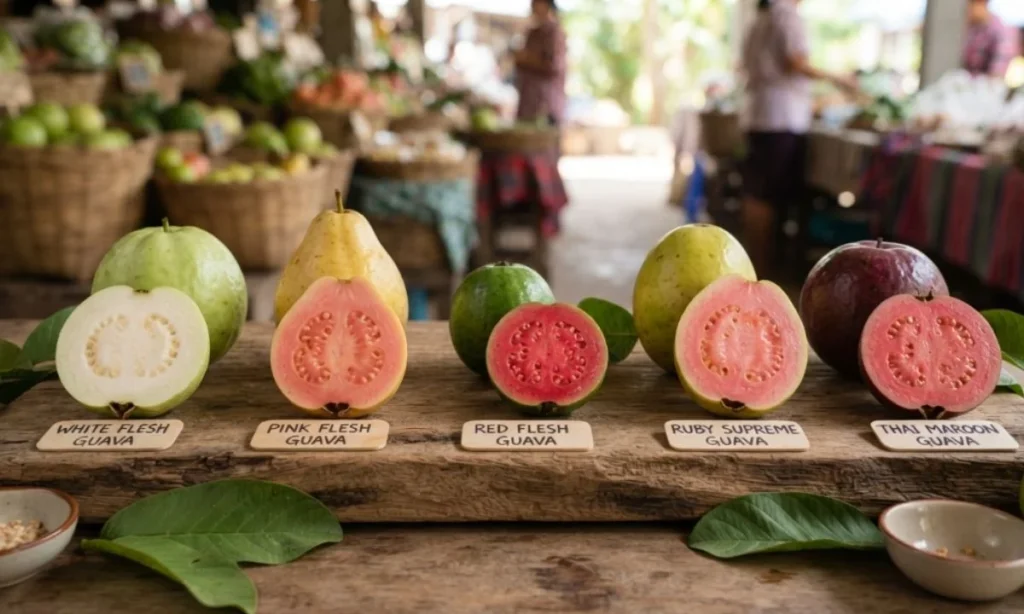
Guava varieties can be categorized by the color of their flesh, which ranges from white to pink, red, and yellow. Each color category offers distinct flavor profiles and uses.
White-Fleshed Guava Varieties and Their Features
White-fleshed guavas are widely grown and known for their mild sweetness. They are often used for fresh eating and juices.
Allahabad Safeda was developed in India and became famous for its smooth skin and soft white flesh. This variety weighs 180 to 250 grams and contains few, soft seeds. The flavor is sweet and mild with a smooth, soft texture. It is widely exported due to its uniform shape and consistent quality.
Mexican Cream guavas are small to medium-sized with roundish fruits that have light yellow skin with a red blush. The flesh is creamy white with a small seed cavity and relatively soft seeds. This variety is very sweet, fine-textured, and excellent for desserts and preserves. The fruits can be sliced lengthwise, with seeds removed if desired, and the flesh used for marmalade, sauces, syrups, or paste.
Tropical White is known for its light yellow skin, sometimes blushed with red, and inner white flesh. This seedless variety is honey sweet and excellent in tropical juice drinks, jellies, and pies. It provides a good source of energy, dietary fiber, and essential vitamins including A, C, niacin, vitamin B6, folate, thiamine, and riboflavin.
Lucknow 49 is a popular white-fleshed variety recommended for home planting.
Pink and Red Guava Varieties With Pictures
Pink and red guavas are popular for their attractive color and balanced sweetness, often with more pronounced flavors than white varieties.
Ruby Supreme was developed in Florida and gained popularity in American markets. It is known for its bright pink flesh and aromatic flavor. The fruits weigh approximately 200 grams, with yellow-green skin and medium, edible seeds.
Homestead is a pink type available in Florida, developed from crossing Ruby and Supreme varieties. It offers tart, pleasant flavors and is suitable for home planting.
Patillo is another pink-fleshed variety with a subacid, mild flavor that is recommended for home planting.
Lalit is a selection from the half-sib population of Apple Colour guava. It is a high yielder with wider adaptability and responsiveness to pruning. The fruits are saffron yellow in color with a red blush and have an average fruit weight of 185 to 200 grams. The pulp is firm and pink with a good blend of sugar and acid. This variety is suitable for both table use and processing, and the pink color of beverages made from it remains stable for more than a year in storage.
Red Skinned Gola showed exceptionally high TSS exceeding 17 °Brix, a TSS: TA ratio, and sugar content of 8.58% in research conducted in Pakistan.
Thai Red Guava is widely grown in Southeast Asia and exported globally. It is valued for its crisp flesh and rich color, with fruits weighing 250 to 350 grams.
Dolores and Jalisco Red are noted by growers as quite sweet with a bubble gum taste.
Honey Moon Guava is a rare variegated variety with pear-shaped fruit that is white and green striped when unripe, turning bright yellow when ripe. The flesh is pink, very aromatic, sweet, and delicious, containing only a few seeds that separate easily from the pulp.
Yellow-Fleshed Guava Varieties
Yellow-fleshed guavas are less common than white or pink varieties and often have a distinctive tropical aroma and citrus notes.
Lemon Yellow Guava is grown in tropical climates and known for its citrus scent. The fruits are small to medium, weighing 120 to 180 grams, with a sweet-tangy flavor.
Lemon Guava offers yellow flesh with a distinct lemon aroma and flavor, making it suitable for smoothies, frozen desserts, and tropical fruit salads. It contains high amounts of vitamin A and folate, as well as vitamin C and B-complex vitamins.
American Types of Guava Fruit
Guava varieties grown in the Americas exhibit distinct characteristics shaped by regional growing conditions and breeding programs.
Media China covers approximately 90% of the planted area in Mexico’s guava industry. These fruits are medium to small with cream-colored, sweet flesh and medium to high seed content. Trees are highly productive and adapted to subtropical semiarid environments, as well as off-season production practices.
China is another traditional Mexican variety that shows slight variations from Media China in terms of fruit traits.
Pink selections developed in Mexico include varieties 23-1, 26-8, 23-5, 25-5, 21-17, 22-11, and 25-9. These selections bear larger fruit weighing 118.4 to 207.6 grams, produce 6.574 to 34.7 kilograms per tree, with sugar content ranging from 10.1 to 13.1 °Brix. They contain vitamin C from 83.29 to 185.75 mg per 100 grams and lycopene from 0.54 to 3.28 mg per 100 grams.
Barbi Pink, Blitch, and Hong Kong Pink are additional pink types available in Florida, with Hong Kong Pink being a large-fruited cultivar suitable for areas requiring fruit bagging to protect from pests.
Tropical Guava Varieties From Around the World
Guava cultivation has spread from its native Central and South America to tropical and subtropical regions worldwide, resulting in diverse regional varieties.
Hawaiian Guava has become synonymous with the tropical fruit’s popularity in Hawaii. The Pink Guava variety, in particular, is prized for its vibrant color and sweet flavor, making it a staple in Hawaiian cuisine and beverages.
Indian Guava varieties include Allahabad Safeda, which remains one of the most popular exports from India due to its uniform shape and consistent quality. Research on Indian varieties has documented numerous cultivars with varying characteristics.
Thai White Guava and Thai Red Guava represent the selective breeding efforts in Southeast Asia to produce crisp-fleshed varieties suitable for fresh eating. These varieties are often larger than their American counterparts.
Bangladeshi varieties include BAU Guava-1 (Misti), BAU Guava-2 (Ranga), BAU Guava-3 (Chowdhury), BAU Guava-4 (Apple), BAU Guava-5 (Oval), BAU Guava-6 (Jelly), BAU Guava-7 (Seedless round), and BAU Guava-8 (Seedless oval). These varieties were developed to suit local growing conditions and consumer preferences.
Sweetest Guava Varieties You Can Try
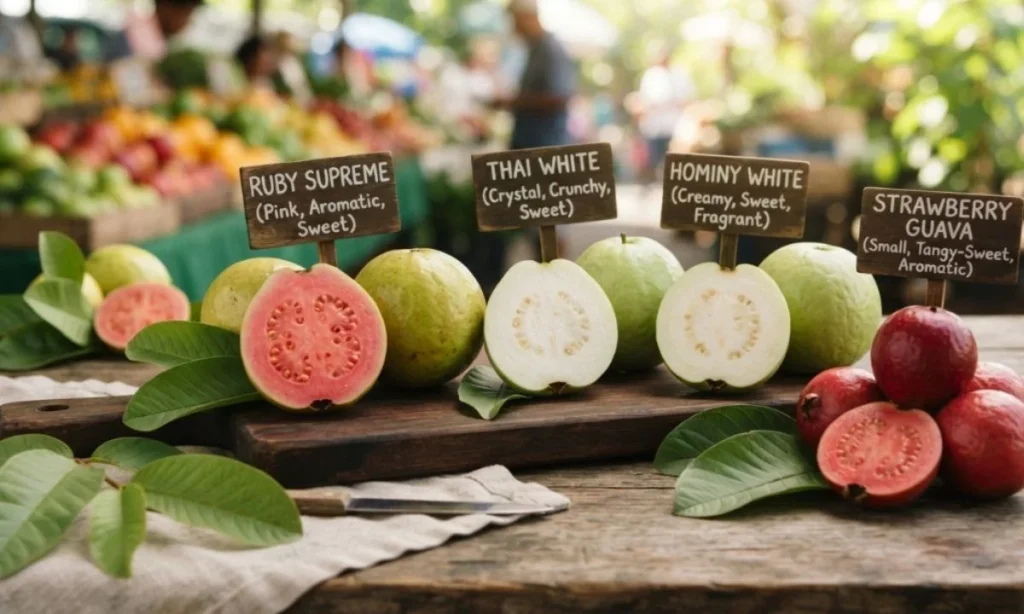
Sweetness varies significantly among guava varieties, with some offering exceptional sugar content.
Honey Moon Guava is described as the sweetest guava ever tasted by growers. This rare variegated variety produces pear-shaped fruit with pink flesh and exceptional sweetness.
Mexican Cream is recognized for its very sweet, fine-textured flesh, making it excellent for desserts.
Tropical White is known for being honey-sweet with a seedless interior, making it versatile for sweet culinary applications.
Red Skinned Gola demonstrated exceptional TSS exceeding 17 °Brix in Pakistani research, indicating very high sugar content.
Hawaiian Gold, a yellow variety of Cattley guava, is noted as the sweetest and most flavorful among its type, making it a favorite for eating out of hand.
Small Guava Varieties With Unique Flavors
Small-fruited guava varieties often deliver concentrated flavors in compact packages.
Strawberry Guava produces small fruits weighing 40 to 60 grams with intense strawberry-like sweetness. These small fruits are popular for snacking, margaritas, and preserving.
Lemon Guava fruits weigh approximately 50 grams and offer concentrated lemon flavor, making them ideal for flavoring applications.
Cherry Guava, another name for certain small-fruited types, resembles hardened cherries in appearance and tastes like strawberries with subtle citrus overtones.
Cattley Guava small fruits are produced in abundance and can be eaten fresh or processed into jam. They are high in Vitamin C but low in calories, making them a healthy snack option.
All Guava Fruit List A to Z
For quick reference, here is an alphabetical list of the guava varieties covered in this guide:
- Allahabad Safeda – White flesh, Indian variety
- Apple Guava – Standard round guava
- BAU Guava varieties – Bangladeshi cultivars
- Barbi Pink – Pink-fleshed Florida variety
- Banaras – White flesh, Brazilian evaluation
- Beaumont Red – Red-fleshed variety
- Blitch – Pink type from Florida
- China – Traditional Mexican variety
- China White – White-fleshed variety
- Dolores – Sweet pink/red variety
- Hawaiian Gold – Sweet yellow Cattleya guava
- Homestead – Pink type from Florida
- Honey Moon – Rare variegated sweet guava
- Hong Kong Pink – Pink-fleshed large variety
- Jalisco Red – Sweet red variety
- Lalit – High-yielding Indian variety
- Lemon Guava – Yellow-fleshed citrus-flavored variety
- Lucknow 49 – White-fleshed variety
- Luck Now – White flesh, Brazilian evaluation
- Media China – Traditional Mexican variety
- Mexican Cream – Creamy white flesh, very sweet
- Patillo – Pink-fleshed variety
- PG 01 and PG 02 – Seedless genotypes
- Pineapple Guava – Unrelated species with tropical aroma
- Red Malaysian – Deep pink flesh, ornamental
- Red Skinned Gola – High sugar content
- Ruby Supreme – Bright pink flesh
- Shweta – Snow-white pulp with few seeds
- Strawberry Guava – Small red fruit, strawberry flavor
- Thai Red Guava – Crisp red-fleshed variety
- Thai White Guava – Crisp white-fleshed variety
- Tropical Pink – Pink-fleshed smooth variety
- Tropical White – Seedless honey-sweet variety
- White Indian – White-fleshed large variety
- White Indonesian – White-fleshed large variety
Guava Varieties: Taste, Color, Size, and Uses
Understanding the relationship between guava characteristics helps in selecting the right variety for specific purposes.
White-fleshed varieties generally offer mild sweetness with subtle flavor notes. They are versatile for fresh eating, juicing, and cooking applications. Examples include Allahabad Safeda, Mexican Cream, and Tropical White.
Pink-fleshed varieties tend to have more pronounced sweetness and aromatic qualities. They are popular for fresh eating and visual appeal in fruit salads and desserts. Examples include Ruby Supreme, Homestead, and Red Malaysian.
Red-fleshed varieties often combine sweetness with attractive color and are valued for fresh consumption. Thai Red Guava and Dolores represent this category.
Yellow-fleshed varieties offer distinctive citrus notes and are less common. Lemon Guava provides intense lemon flavor for specialty applications.
Size ranges from small (40-60 grams for Strawberry Guava) to large (250-350 grams for Thai varieties), affecting yield and commercial value.
Culinary uses vary by variety—sweet, soft-fleshed varieties like Mexican Cream excel in desserts and preserves. Crisp-fleshed varieties like Thai White Guava are preferred for fresh snacking—high-acid varieties suit beverage production.
How to Identify Types of Guava Fruit by Appearance
Identifying guava varieties by appearance requires attention to several key characteristics:
Skin color ranges from green to light yellow, often with red or pink blushes depending on variety and ripeness.
Shape varies from round (Apple Guava) to oval (Pineapple Guava) to pear-shaped (Honey Moon Guava).
Size is a significant differentiator, with fruits ranging from small 40-gram Strawberry Guavas to large 300-gram Thai varieties.
Flesh color provides one of the most reliable identification markers: white, pink, red, or yellow.
Seed content varies from seedless to heavily seeded, with seedless varieties often having distinct names like Tropical White or PG 01.
Aroma differs significantly among varieties. Lemon Guava has distinct citrus notes, while Strawberry Guava offers a strong berry-like fragrance.
FAQs About Guava Fruit Types
What is the sweetest guava variety?
Honey Moon guava is considered the sweetest guava variety, with exceptionally high sugar content.
What is the difference between white and pink guava?
White guava has milder sweetness, while pink guava is generally sweeter and more aromatic.
How do you eat a guava fruit?
Guava can be eaten whole, sliced, or scooped out, with seeds consumed or removed based on preference.
What is the most cold-hardy guava variety?
Strawberry guava (Psidium cattleianum) is considerably more frost-resistant than the common guava.
How many calories are in a guava?
Guava contains approximately 55-72 calories per 100 grams, depending on the variety.
What is the best guava variety for juicing?
Tropical White and other seedless varieties are excellent for juicing as they require no straining.
What are the most popular guava types in India?
Allahabad Safeda and Lalit are among the most popular commercial guava varieties in India.
Conclusion
Guava offers remarkable diversity, with over 21 distinct varieties ranging from sweet, seedless Tropical White to aromatic Strawberry Guava and rare Honey Moon. Each variety provides unique characteristics in terms of colour, flavour, size, and culinary application. Whether you prefer the mild sweetness of white-fleshed varieties or the intense fruitiness of pink and red types, there is a guava suitable for every taste preference.
Understanding the differences between seeded and seedless varieties, as well as regional favourites like Indian Allahabad Safeda or Mexican Media China, helps in selecting the right fruit for fresh eating, cooking, or processing. The global popularity of guava continues to grow as consumers discover the nutritional benefits and versatility of this tropical fruit.
