

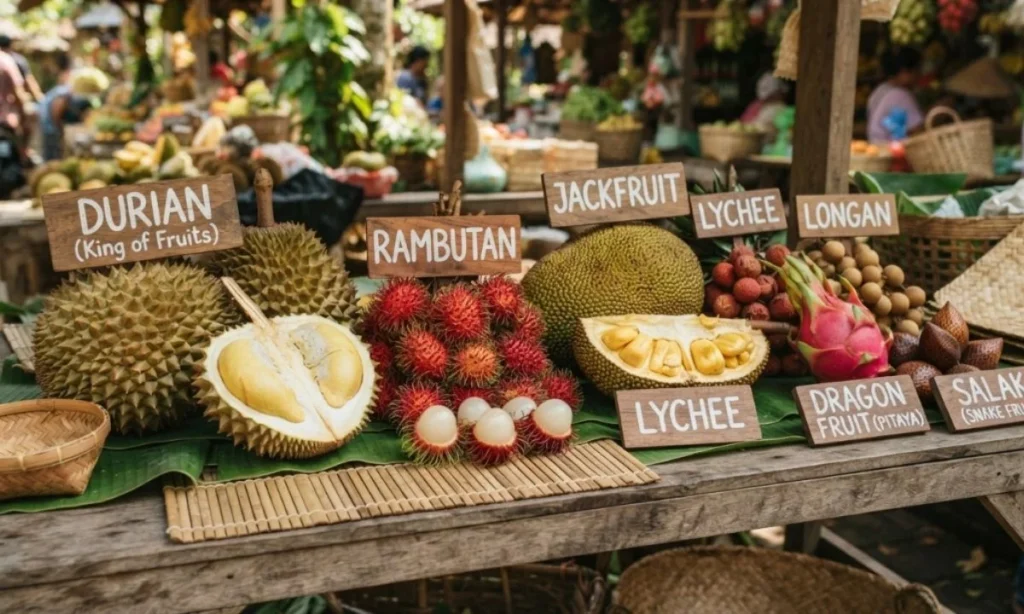
Spiky fruits have long captivated explorers, food lovers, and curious eaters worldwide. With their formidable exteriors and surprisingly sweet, creamy, or tangy flesh inside, these tropical treasures often taste far better than their thorny appearances suggest. Whether you’ve wondered about the difference between durian and jackfruit or want to identify that strange spiky fruit at your local Asian market, this comprehensive guide covers over 45 spiky fruit names with pictures and everything you need to know about each one.
The visual appeal of these fruits often attracts attention before their flavors do. From the vibrant red rambutan’s hairy spines to the bright orange kiwano’s horn-like projections, spiky fruits showcase nature’s creativity in defense mechanisms while offering humans extraordinary culinary experiences.
Green, Red, Orange Spiky Fruit Names with Pictures
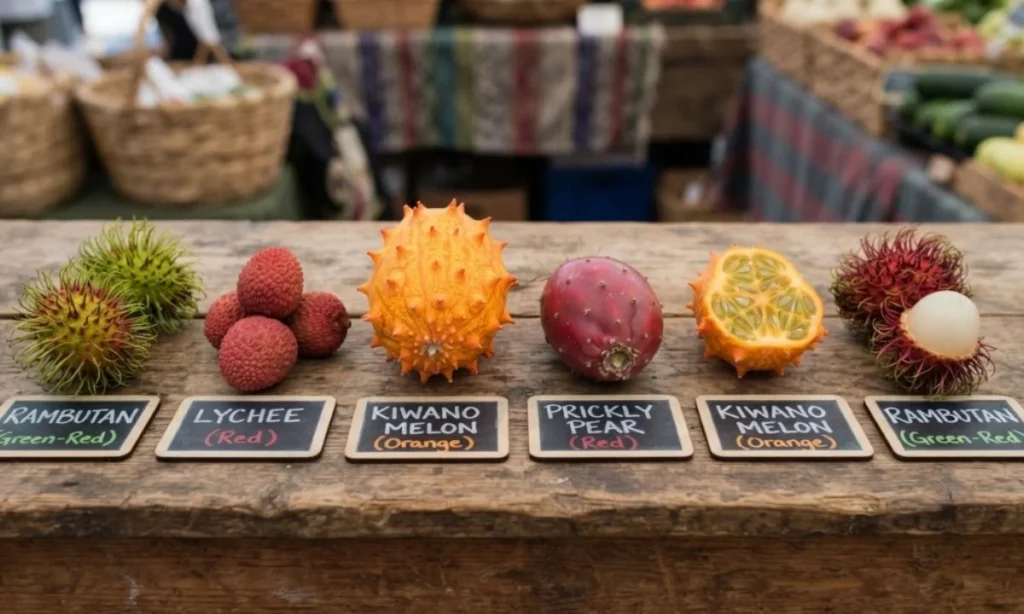
Color serves as the first distinguishing feature when identifying spiky fruits. Understanding these color categories helps shoppers and fruit enthusiasts quickly narrow down what they’re looking at in markets around the world.
Durian Spiky Fruit
The durian stands as perhaps the most famous spiky fruit on Earth. This large green spiky fruit features a thick, thorny shell protecting soft, creamy flesh inside. Known as the “king of fruits” throughout Southeast Asia, durian has a strong, distinctive smell that people either love or hate passionately. The fruit’s aroma has been compared to everything from sweet custard to turpentine, but its rich, complex taste keeps devoted fans coming back for more.
Spiky Rambutan Fruit
Rambutan ranks among the most visually distinctive red spiky fruits. Covered with soft, hair-like spines that give it a hairy appearance, the bright red skin opens to reveal sweet, juicy white flesh surrounding a single seed. The name “rambutan” actually comes from the Malay word for “hair,” perfectly describing its unusual appearance. Popular throughout Southeast Asia, this spiky red fruit offers a sweet-tart flavor that makes it a favorite among tropical fruit enthusiasts.
Kiwano (Horned Melon)
The kiwano, also called horned melon, is an orange spiky fruit with sharp horn-like projections covering its thick skin. Inside, this African native contains bright green jelly-like pulp with edible seeds. The flavor profile combines notes of cucumber, banana, and lime with a refreshing, slightly tangy finish. This spiky orange fruit’s unique appearance makes it instantly recognizable in fruit markets worldwide.
Soursop (Graviola)
Soursop, known as graviola in many regions, is a green, spiky fruit with a soft, spiny outer surface. Growing in tropical regions throughout the Americas and the Caribbean, soursop contains white fibrous pulp with black seeds inside. Its flavor is sweet and slightly sour, making it popular for juices, smoothies, and desserts. The spiky green exterior might look intimidating, but the creamy interior has won over fruit lovers across the globe.
Jackfruit (Green Spiky Fruit)
Jackfruit holds the title as the largest tree-borne fruit in the world. This very large green spiky fruit has a rough, spiny outer surface that resembles durian from a distance. Inside, the fruit contains yellow, sweet bulbs surrounding seeds. Widely grown in South Asia and becoming increasingly popular worldwide, jackfruit serves as a remarkable meat substitute when young and unripe due to its fibrous, pulled-pork-like texture.
Breadfruit
Breadfruit appears as a round green spiky fruit with a textured, slightly prickly surface. Unlike many other spiky fruits, breadfruit doesn’t typically eaten raw. Its flesh becomes soft and starchy when cooked, making it a staple food throughout many tropical regions and island cuisines. The bumpy green exterior houses a versatile ingredient that can be roasted, fried, or boiled.
Lychee (Red Spiky Fruit)
Lychee is a small red spiky fruit with a rough, bumpy outer shell that creates a spiky appearance. Inside, it contains sweet, juicy white flesh surrounding a single seed. This tropical fruit features prominently in Asian desserts and drinks, and is enjoyed fresh worldwide. The rough red exterior might look spiky, but it peels easily to reveal the fragrant, floral-sweet flesh beneath.
Longan (Slightly Rough Skin)
Longan features light brown, slightly rough skin rather than sharp spikes, earning it a place in the spiky-adjacent fruit category. Inside, this small fruit contains sweet, translucent flesh surrounding a shiny black seed. Related to lychee, longan offers a milder, less floral flavor and is popular in many Asian cuisines. The rough, almost sandpaper-like texture of its thin skin makes it somewhat spiky to the touch.
Salak (Snake Fruit)
Salak, commonly called snake fruit, is a reddish-brown spiky fruit with sharp pointed scales that closely resemble snake skin. The inside contains crisp, sweet-tart flesh divided into segments, commonly eaten fresh in Southeast Asia. The unusual name comes from its scaly appearance, and the fruit has a unique flavor profile that combines apple, pineapple, and banana notes.
Prickly Pear (Cactus Fruit)
Prickly pear is an orange to red spiky fruit that grows on cactus plants. The outer skin has tiny sharp spines (glochids) that require careful handling, while the inside contains sweet, juicy pulp with many edible seeds. Commonly used for juices and desserts, this spiky fruit grows throughout the Americas and Mediterranean regions.
Spiky Asian Fruit Names and Pictures
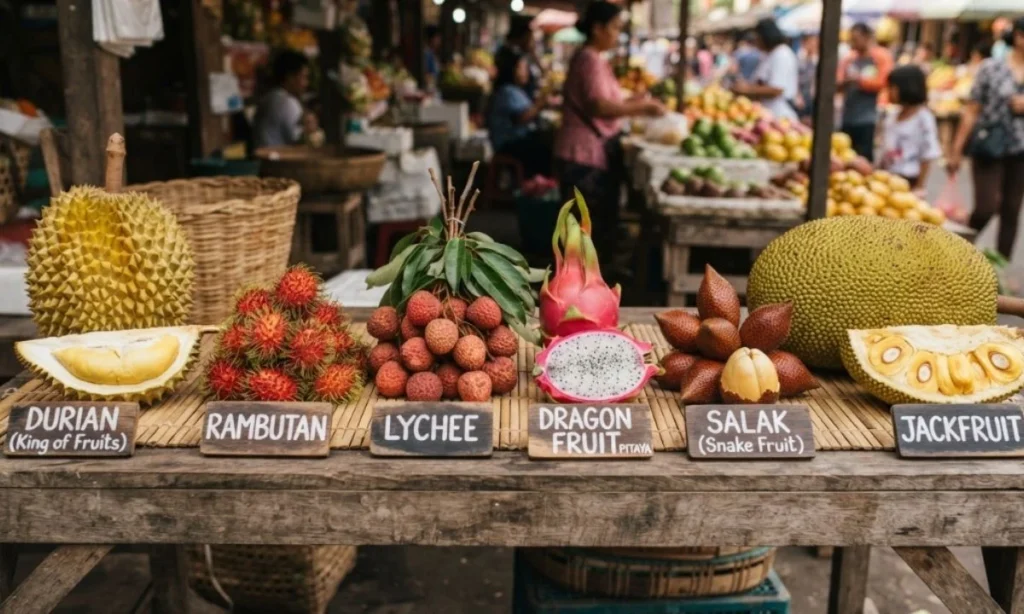
Asia serves as home to some of the world’s most fascinating and delicious spiky fruits. Beyond the well-known durian and rambutan, the continent hosts numerous varieties that delight adventurous eaters and fruit enthusiasts alike.
Click Here To Read More:
Pulasan
Pulasan is a tropical Southeast Asian spiky fruit closely related to rambutan. It has a red rind with soft spines and contains juicy white flesh known for its sweet flavor. While pulasan resembles rambutan, its spines are thicker, and its flesh is sweeter.
Cempedak
Cempedak is a tropical Asian fruit from the jackfruit family, grown primarily in Indonesia and Malaysia. Its rough, spiny skin covers soft yellow flesh with a strong aroma. The interior has a creamy texture and sweet flavor similar to jackfruit but stronger and more distinctive.
Marang Spiky Fruit
Marang is a tropical fruit native to the Philippines. It has soft green spines on its rind and contains creamy white segments with a naturally sweet flavor. The soft spikes on this spiky fruit make it less intimidating to handle than durian.
Santol (Rough Outer Varieties)
Santol is a tropical Southeast Asian fruit with a rough outer skin. Some varieties appear slightly spiny and contain white or pink pulp with a sweet and sour flavor. The thick, leathery skin has a bumpy texture that feels spiky.
Gac Fruit
Gac fruit is a bright orange-red tropical fruit native to Southeast Asia. It has a rough, spiky or warty rind and contains deep red pulp used in foods and traditional medicine. The striking orange-red exterior makes this spiky fruit stand out.
Annona (Spiny Varieties)
Some Annona fruits develop slightly spiny or bumpy outer surfaces. These tropical fruits contain creamy sweet pulp and grow widely in warm climates. The spiky appearance varies by variety, with some having pronounced bumps and others having subtle texture.
Cherimoya (Knobby Surface)
Cherimoya features a knobby, slightly bumpy surface that some might describe as spiky. This tropical fruit contains sweet, creamy flesh that tastes like a blend of banana, pineapple, and strawberry. The gentle bumps on its green skin create a distinctive texture.
Kiwano: The Spiky Horned Melon
The kiwano, or horned melon, deserves special attention among spiky fruits. This African native features a spectacular orange-yellow skin covered in distinctive horn-like spikes. The interior contains bright lime-green jelly-like pulp studded with edible seeds, offering a refreshing taste that combines cucumber, banana, and lime.
Native to the Kalahari Desert, the kiwano has adapted to harsh conditions and grows as an annual vine. The fruit’s unique appearance makes it popular for ornamental arrangements and fruit displays, but its flavor has also earned it a place in culinary applications. The gelatinous texture works well in fruit salads and smoothies, while the striking appearance adds visual appeal to any dish.
Nutritional Profile: Kiwano offers excellent vitamin C, vitamin A, and magnesium content. The edible seeds provide fiber and healthy fats, making this spiky fruit both nutritious and hydrating.
How to Eat: Cut the kiwano in half lengthwise, sprinkle with salt or sugar (depending on preference), and scoop out the green pulp with a spoon. The seeds are entirely edible and add a pleasant crunch.
Jackfruit: A Large Fruit With Rough, Spiky Skin
Jackfruit represents one of the most versatile and impressive spiky fruits. This massive fruit can weigh up to 80 pounds, making it the largest tree-borne fruit globally. The green to yellow-green skin features rough, spiny projections that resemble durian’s spikes but are more rounded and softer.
The interior contains yellow, fleshy bulbs called arils, each surrounding a seed. The sweet bulbs offer a flavor combining mango, banana, and pineapple notes. When young and unripe, the flesh has a neutral taste and stringy texture that makes an excellent meat substitute, particularly for pulled pork and barbecue-style dishes.
Culinary Uses:
- Ripe jackfruit: Eaten fresh or used in desserts, smoothies, and fruit salads
- Unripe jackfruit: Used in savory dishes, curries, and as a plant-based meat alternative
- Seeds: Roasted or boiled and eaten as a snack
Nutritional Value: Jackfruit provides excellent vitamin C, vitamin A, potassium, and dietary fiber. It also contains significant amounts of vitamin B6 and magnesium.
Growing Information: Native to South and Southeast Asia, jackfruit trees can reach heights of 30 to 50 feet. The fruits take about 3-8 months to mature and can produce enormous quantities of fruit per tree.
Other Tropical Fruits With Spiky or Rough Skins
The tropical fruit world offers many more spiky options beyond the most famous examples. These lesser-known varieties might not have the same fame, but they offer equally interesting flavors and textures.
Pineapple
Pineapple certainly qualifies as a spiky fruit, with its tough, diamond-patterned skin covered in small, sharp projections. This tropical favorite offers sweet, tangy, juicy flesh that has made it a global fruit icon. The spiky leaves form a crown at the top, adding to its distinctive appearance.
Dragon Fruit (Pitaya)
While dragon fruit isn’t covered in sharp spikes, its rind has scale-like projections that give it a spiky appearance. Available in varieties with pink, red, or yellow skin, the flesh can be white, red, or purple. The relatively smooth scales create a dragon-like appearance that matches its name.
Prickly Pear (Detailed)
The prickly pear cactus fruit deserves more attention among spiky fruits. Growing on various Opuntia cactus species, these fruits have a colorful exterior (green, yellow, orange, red, or purple) covered in tiny, nearly invisible spines called glochids. These spines can irritate, so careful handling is essential.
Flavor Profile: Sweet and mildly tangy, similar to watermelon or bubblegum. The flesh contains many small, edible seeds.
Uses: Eaten fresh, made into juice, jam, jelly, or used in cocktails and desserts. The prickly pear has also gained popularity in health supplements due to its high antioxidant content.
Spiny Cucumber
The spiny cucumber (also called spiny gourd or teasel gourd) is a small, oval-shaped fruit with a spiky skin covered in soft or firm thorns. While much smaller than most other spiky fruits, its prickly exterior echoes the intimidating look of a miniature durian. It’s actually a gourd rather than a tropical tree fruit and features in various Asian cuisines.
Kei Apple (Dovyalis caffra)
Kei apple grows on a spiny shrub or small tree native to South Africa. The fruit is medium-sized and yellow, with a tough skin covering edible flesh. The plant itself features long, straight spines on the trunk and branches, making harvesting challenging. The fruit’s flavor is tart and is often used in jams and preserves.
Sweet and Delicious Spiky Fruits You Can Try
Among the dozens of spiky fruits available worldwide, some stand out for their exceptional sweetness and appeal to fruit lovers.
Rambutan
Rambutan remains one of the sweetest spiky fruits available. The translucent white flesh tastes floral and sweet, with a hint of acidity. Some describe the flavor as similar to grapes with a tropical twist. The fruit’s sweetness makes it popular in fruit salads, desserts, and enjoyed fresh.
Lychee
Lychee offers another intensely sweet option among spiky fruits. The fragrant white flesh has a floral, rose-like sweetness that can be described as perfumed and addictive. The thin, rough shell protects this treasure, which features prominently in Asian desserts and beverages.
Soursop
Soursop combines sweetness with a tangy, citrus-like note. The creamy white flesh tastes like a cross between pineapple and strawberry with a pleasant acidity. This spiky fruit’s flavor makes it perfect for smoothies, ice cream, and exotic desserts.
Salak (Snake Fruit)
Salak offers a unique taste experience with its crisp texture and sweet-tart flavor. The flesh resembles garlic cloves in appearance but tastes like a combination of apple, pineapple, and banana. The crunchy texture adds to the appeal of this spiky Indonesian fruit.
Jackfruit
Ripe jackfruit tastes remarkably sweet, with flavor notes of mango, banana, and pineapple combined. The bulbs have a satisfying, chewy texture with a slight crunch from the seeds. Fresh jackfruit is considered a delicacy throughout South and Southeast Asia.
Flavor Guide for First-Timers:
FruitSweetness LevelUnique Flavor NoteBest Way to TryRambutanVery SweetFloral-grapeFresh, plainLycheeSweetRose-likeFresh or in drinksDurianRich-sweetVanilla-custardFreshSoursopSweet-tangyPineapple-strawberrySmoothiesSalakSweet-tartApple-pineappleFresh
Cactus Spiny Fruits with Information
Cactus fruits offer some of the most fascinating spiky fruit options, each with unique growing requirements and flavor profiles.
Dragon Fruit Varieties
Dragon fruit (Hylocereus species) grows on cactus plants native to Central America but now cultivated worldwide. Several varieties exist:
VarietySkin ColorFlesh ColorSweetness LevelHylocereus undatusPinkWhiteMildHylocereus costaricensisRedRedSweetHylocereus megalanthusYellowWhiteVery SweetHylocereus polyrhizusPinkPurple/RedSweet-tart
The yellow Ecuador Palora variety (Hylocereus megalanthus) is considered the sweetest, with BRIX sugar levels over 20 compared to an average of 15 for other varieties. Its branches are notably spiky, with about 12 spines per petal, requiring careful handling during harvest.
Prickly Pear (Opuntia)
The prickly pear grows on flat-padded cactus species found throughout the Americas. The fruits (called tunas in Spanish) can vary in color from green to yellow, orange, red, and purple depending on the variety and ripeness.
Safety Note: Always handle prickly pears with tongs or thick gloves. The tiny glochids (hair-like spines) can penetrate skin easily and irritate. Most commercial fruits have the spines removed, but wild fruits require careful cleaning.
Other Cactus Fruits
Various other cactus species produce edible spiny fruits:
- Organ pipe cactus fruit (Stenocereus species) – Red, spiny, with sweet-tart flesh
- Peruvian apple cactus – Smooth-skinned but has a spiny exterior when immature
- Saguaro fruit – Red, spiny fruit from the iconic saguaro cactus
Rare Spiky Fruit Names with Pictures
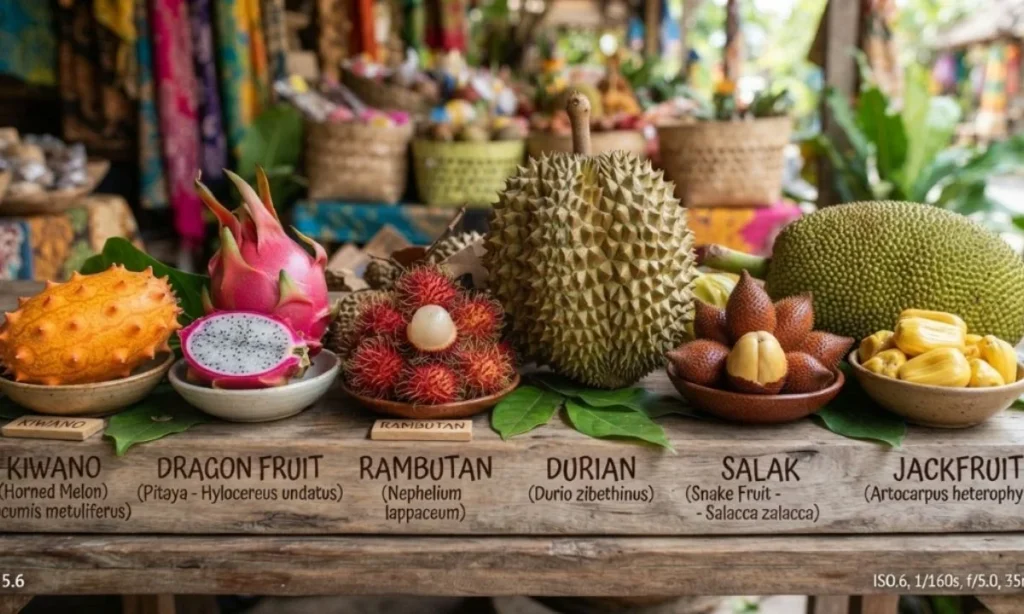
For the adventurous fruit enthusiast, these lesser-known spiky fruits offer unique flavors and appearances worth seeking out.
Cempedak
Cempedak remains relatively rare outside Southeast Asia. This close relative of jackfruit has a spiky, rough skin and intensely fragrant flesh. The flavor is sweeter and stronger than jackfruit, often described as rich and caramel-like.
Marang
Marang proves difficult to find outside the Philippines and neighboring regions. The fruit has soft, green spines that don’t cause injury, making it easier to handle than many other spiky fruits. The creamy, sweet flesh melts in the mouth with a flavor that many consider superior to other tropical fruits.
Pulasan
Pulasan is less common globally than its relative, rambutan. The thicker spines and sweeter flesh make it prized where it’s available. Some consider pulasan the superior fruit compared to rambutan due to its more intense flavor.
Gac Fruit
Gac fruit is rare outside Southeast Asia. This bright orange-red fruit has a rough, spiky exterior and contains deep red pulp rich in nutrients. The fruit is traditionally used in Vietnamese sticky rice dishes and for its health benefits.
Annona Species
Various Annona species produce spiky or bumpy fruits. These include:
- Soursop (Annona muricata) – Spiky green exterior, creamy white flesh
- Sugar apple (Annona squamosa) – Bumpy, scale-like skin
- Cherimoya (Annona cherimola) – Knobby, slightly spiky appearance
- Sweetsop – Similar to sugar apple with pronounced bumps
Additional Spiny or Thorny Fruits
Beyond the fruits already discussed, several other produce items feature spiky, spiny, or thorny characteristics.
Hawthorn Fruit
Hawthorn produces small, spiky fruits on woody shrubs or small trees in the rose family. The red, berry-like fruits have edible flesh surrounding large seeds. Hawthorn fruits have been used traditionally for heart health and are made into jams, jellies, and medicinal teas.
Blackberry
Blackberry plants feature thorns, though the fruit itself isn’t spiky. The brambles produce aggregate fruits that grow on thorny canes. The contrast between the thorny plant and delicate, sweet fruit makes for an interesting example.
American Sweetgum
American sweetgum produces green to brown rounded spiky balls of fruit resembling maces. Unlike most fruits on this list, sweetgum fruit is primarily ornamental and not typically consumed.
Bitter Melon
Bitter melon has a pointed end and bumpy, warty skin that resembles spikes. This gourd, common in Asian cuisine, has a distinctive bitter taste and is used in stir-fries, soups, and as a traditional medicine for blood sugar management.
Lipstick Tree Fruit
The lipstick tree (Bixa orellana) produces spiky, red capsules containing seeds used for natural dye. While the fruit isn’t edible, the seeds (annatto) are widely used as a food coloring and spice.
Starfruit
Starfruit (carambola) isn’t technically spiky, but it has pointy ridges and ends that give it a slightly thorny appearance. When cut, the fruit forms star shapes, making it visually distinctive.
FAQs
What is the most famous spiky fruit in the world?
Durian is considered the world’s most famous spiky fruit, known for its distinctive strong smell and creamy, custard-like flesh that people either love or hate passionately.
Which spiky fruit is the sweetest?
Among spiky fruits, rambutan and lychee rank among the sweetest, while the yellow Ecuador Palora variety of dragon fruit is also exceptionally sweet with BRIX readings over 20.
Can you eat the spiky skin of these fruits?
Generally, no. The spiky skins of fruits like durian, rambutan, jackfruit, and kiwano are inedible and must be peeled or cut away to access the edible flesh inside.
How do you eat a durian safely?
Use thick gloves to hold the durian. Make a cut along the fruit’s natural seams using a knife, then pry the sections open with your hands. Remove the yellow or cream-colored flesh pods from the seeds and eat fresh.
What does rambutan taste like?
Rambutan has sweet, juicy flesh with a flavor reminiscent of grapes with a tropical twist. The texture is similar to lychee, and it has a floral sweetness that makes it highly popular.
Are spiky fruits healthy?
Yes, most spiky fruits are highly nutritious. Durian provides iron, vitamin C, and vitamin A. Rambutan offers vitamin A, magnesium, calcium, and potassium. Jackfruit provides vitamin C, vitamin A, potassium, and dietary fiber.
Conclusion
The world of spiky fruits offers an incredible diversity of flavors, textures, and appearances. From the king of fruits, durian, with its infamous aroma, to the sweet, hairy rambutan and the visually striking kiwano, these fruits demonstrate nature’s creativity in protective packaging. While their spiky exteriors might seem daunting, the delicious treasures inside make them worth the effort to open.
Understanding these fruits enhances culinary adventures and shopping experiences. When you spot a spiky fruit at your local market, you’ll now know whether you’re looking at a jackfruit with its versatile, meaty flesh or a soursop with its sweet-tangy creaminess. You’ll understand that the orange spiky kiwano offers a refreshing cucumber-banana experience, while the small red rambutan provides intense floral sweetness.
For adventurous eaters, these spiky fruits represent opportunities to explore new flavors and expand culinary horizons. Start with the more approachable options like rambutan or lychee before working up to the legendary durian. And remember, despite their intimidating exteriors, most spiky fruits are safe to handle with basic care and offer some of the most rewarding taste experiences nature has to offer.
